
Roof Coating in Phoenix, AZ
A coating is not a new roof, and anyone selling it as one is misleading you. What it does is extend the life of a roof that’s still fundamentally sound, seal minor defects, and reflect a large share of the solar heat your building is currently absorbing.
On the right roof, it’s the best value in roofing. On the wrong roof, it’s money spent hiding a problem.
When Roof Coating Is the Right Call
- A foam roof due for recoating This is the primary use. Foam requires periodic recoating — it’s maintenance, not a repair, and skipping it is what kills foam roofs.
- A sound flat roof showing surface-level aging . chalking, minor cracking, UV wear — with a dry substrate.
- A metal roof with fastener or seam seepage and no structural corrosion.
- A modified bitumen or built-up roof in decent condition that you want more years out of.
- Any low-slope roof where cooling cost is a concern and the substrate is in good shape.
When Coating Is the Wrong Call
Being direct about this because it’s where people waste money:
- The substrate is wet. : Coating over saturated insulation seals moisture in. It has nowhere to go, it damages the deck, and the coating blisters and fails. A moisture survey comes before any coating recommendation.
- The roof is structurally failing: Widespread seam separation, deteriorated decking, or membrane failure across the field means you need a roof, not a coating.
- Ponding water with no drainage correction Most coatings aren’t designed to be permanently submerged. Silicone tolerates it better than acrylic, but the underlying drainage problem should be fixed.
- It leaks and nobody’s found out why Coating a roof to stop a leak you haven’t diagnosed just makes the next diagnosis harder.
Types of Roof Coating
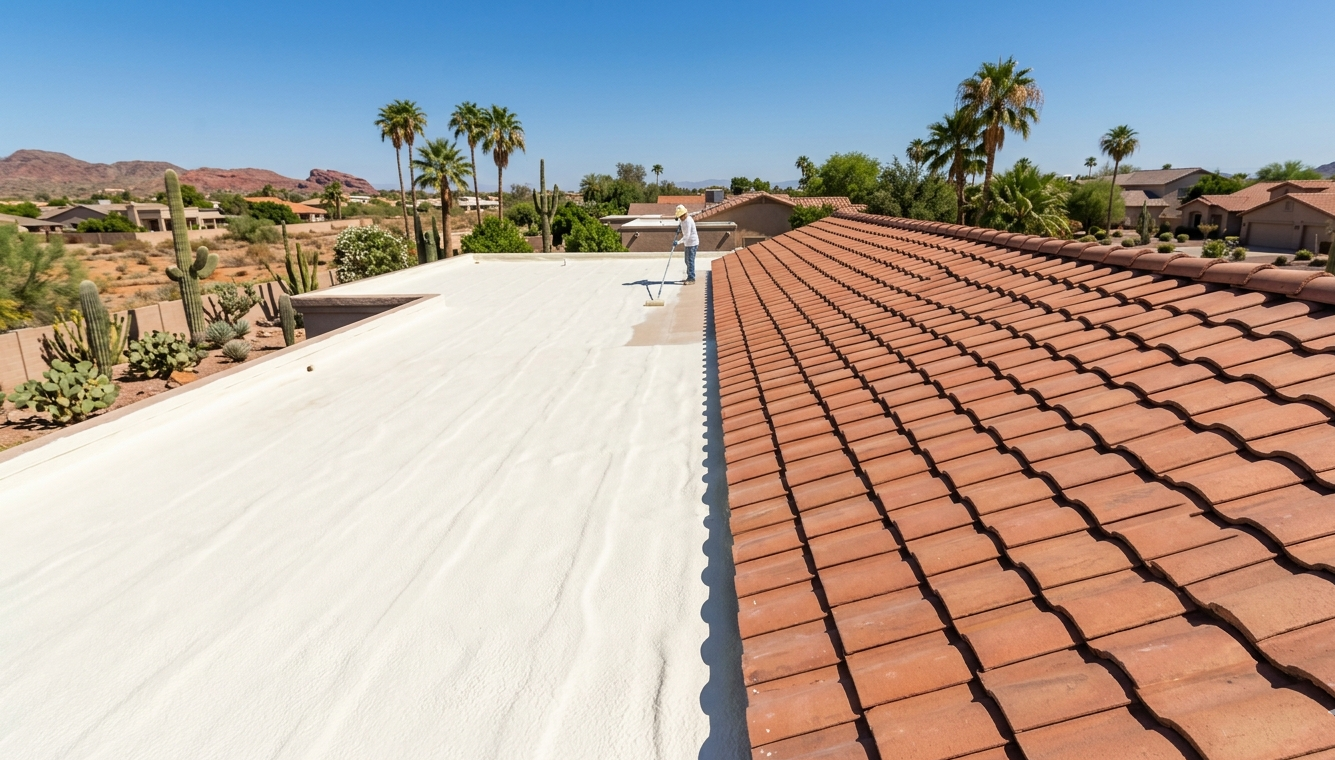
Acrylic. The most common and least expensive. Good reflectivity, easy to apply and recoat. Doesn’t tolerate ponding well. Best on roofs with positive drainage.
Silicone. More expensive, substantially better in standing water, and holds up well under UV. The right choice where ponding can’t be fully corrected.
Polyurethane. Tougher and more impact-resistant, used where foot traffic is heavy — around HVAC equipment, for example.
We’ll specify based on your roof’s drainage, substrate, and traffic, not on what’s cheapest to apply.
What Coating Actually Does for Cooling
This is the part people underestimate.
An aged, dark flat roof in Phoenix can reach 170°F or more on a summer afternoon. A bright reflective elastomeric surface can run 50 to 60 degrees cooler. That’s heat not entering the building, and on a low-slope roof over conditioned space, the reduction in cooling load is real and measurable.
It also reduces thermal cycling on the roof itself, which is the mechanism that ages every roofing material in this climate. A cooler roof lasts longer independent of the coating’s waterproofing benefit.
Our Coating Process
Inspection and moisture survey. Non-negotiable first step. We determine whether the substrate is dry before recommending anything.
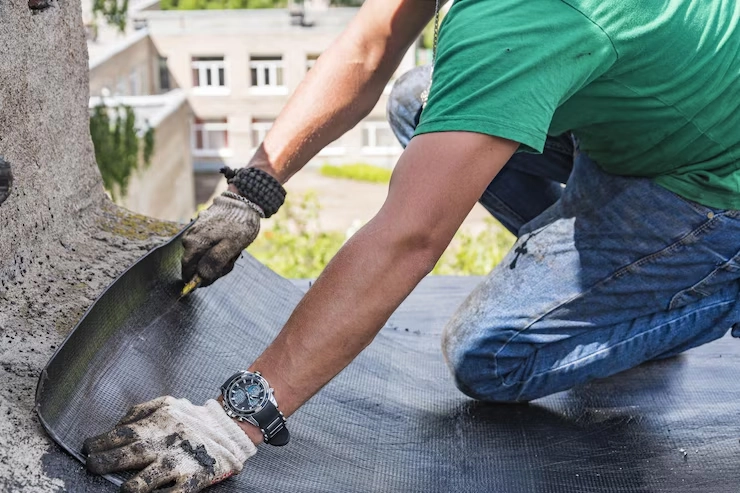
Repairs. Seams, penetrations, blisters, and defects addressed before coating. A coating bridges hairline issues, not open ones.
Cleaning. Power washing and removal of chalking, dirt, and failed coating. Adhesion depends entirely on this step.
Primer where the substrate requires it.
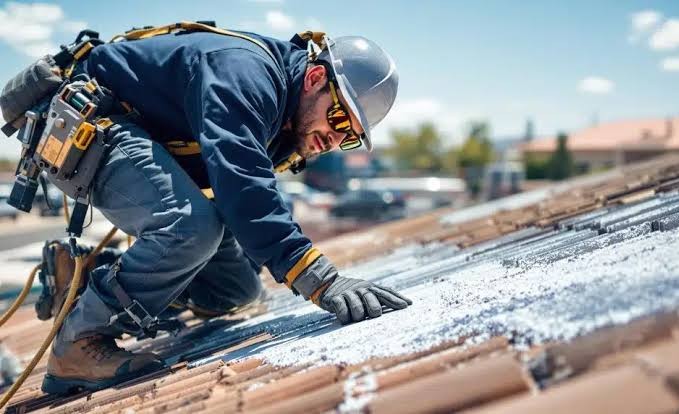
Base coat, applied at specified mil thickness.
Top coat, applied in a contrasting color so full coverage is verifiable.
Granules where specified, for traffic areas.
Final inspection and warranty documentation.
2 to 4 days, weather depending. Coatings need dry conditions and a cure window.
What Roof Coating Costs in the Phoenix Area
The prep work is the variable. A clean, sound roof coats quickly. A roof needing seam repair, blister cutting, and wet insulation removal costs more, and we’ll quote that separately so you can see it.
- $2.50 – $5.50 per square foot, depending on coating type, number of coats, and how much prep and repair the roof needs first.
- For a typical residential low-slope roof, that’s generally $3,000 – $9,000.
How Long It Lasts
5 to 10 years for most systems, depending on the coating, the mil thickness applied, and sun exposure.
Then it gets recoated. That’s the model — a coated roof is maintained rather than replaced, and each recoat is a fraction of a replacement. A flat roof kept on a coating schedule can run for decades without tear-off.
Frequently Asked Questions
Only if the leak is surface-level and we’ve found it. Coating is not a leak diagnosis. We find the source first, repair it, then coat.
5 to 10 years typically, then recoat. Thicker application and better coating chemistry extend that.
On a low-slope roof over conditioned space, yes, measurably. A reflective surface can run 50 to 60 degrees cooler than an aged dark roof.
Not in the same sense. Tile roofs are waterproofed by the underlayment beneath the tile, so a surface coating doesn’t address anything meaningful. See tile roof underlayment
No. It traps the moisture, damages the deck, and the coating fails. This is why we do a moisture survey before quoting.
Chalking, thinning, or any exposed substrate. Have it inspected around year 5 and every couple of years after. Our inspection is free.
Service Areas
We work throughout the Phoenix metro and surrounding Arizona communities.
Free Roof Coating Assessment
Moisture survey first, then condition assessment and photographs. The survey is what determines whether coating is worth doing — we won’t quote one without it.