
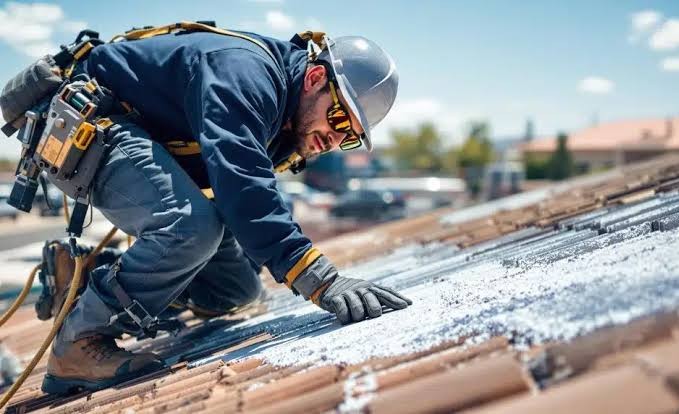
One of the first questions homeowners ask when scheduling a roof replacement in Arizona is how long they will be dealing with contractors, noise, and disruption. The answer depends on several factors, but for most residential properties in the Phoenix metro area, a complete roof replacement takes one to three days of active work, with the full project timeline running one to three weeks from first contact to final cleanup.
Avid Roofing Solutions has replaced roofs on everything from small Scottsdale condos to large Chandler family homes, and the timeline variations we see come down to a predictable set of factors. This guide walks through what actually happens each day, what causes delays, and what you can do to keep the project moving.
How Long Does Roof Replacement Take in Arizona: The Honest Answer
Here is the reality that some contractors gloss over: the days of active roofing work are just one part of the total project timeline. Before a crew sets foot on your roof, there is scheduling, material ordering, permit pulling, and HOA approval in some communities. After the crew finishes, there is inspection and final paperwork.
Total project timeline for a standard Phoenix residential roof replacement in 2026:
Initial inspection and quote: 1 to 3 days from first contact
Contract signing to material ordering: 2 to 5 days
Permit processing (City of Phoenix): 3 to 7 business days on average
Material delivery to job site: 1 to 3 days after permit approval
Active roofing work: 1 to 3 days depending on size and material
Final inspection: 1 to 5 days after work completion
So the realistic window from first phone call to completed, inspected project is two to four weeks. Planning around “a couple of days” is the most common source of homeowner frustration in roofing projects.
Roof Replacement Timeline Arizona: Day-by-Day Breakdown
Day 1 of active work: The crew arrives early, typically between 5:30 and 6:30 AM during summer months, to get ahead of peak heat. They set up protection for landscaping and HVAC equipment, then begin the tear-off of the existing roofing material. Old shingles, tile, or other material is stripped down to the roof deck. Deck inspection happens simultaneously. Any soft spots, rotted decking, or water-damaged sheathing is identified and flagged for repair.
Day 1 afternoon: If deck repairs are minor, new underlayment installation begins the same day. If deck repairs are significant, Day 1 may end with a bare, tarped deck waiting for materials or additional assessment.
Day 2: On most residential jobs, Day 2 is the primary installation day. Underlayment is finished if not completed on Day 1, and primary roofing material goes on: shingles, tile, foam, or metal, depending on the project. Flashing around chimneys, vents, skylights, and walls is installed and sealed. Ridge cap or ridge ventilation is completed.
Day 3 (if needed): Finishing details, any punch list items from the project manager review, and cleanup. On larger homes or tile jobs, Day 3 may include tile work on hip ridges, decorative ridge tiles, or final sealing around all penetrations.
How Many Days to Replace a Roof in Phoenix: What Changes the Number
Several factors can extend the active work timeline:
Roof size: A 1,200-square-foot roof can often be completed in one long day. A 3,500 square foot roof with complex geometry will reliably require two to three days.
Material type: Shingle replacement is the fastest. Clay or concrete tile takes longer because each tile is set individually and requires precise alignment. Foam roofing is weather-sensitive and requires specific temperature and humidity conditions during application.
Deck damage found during tear-off: This is the variable no contractor can predict accurately until the old material is off. In Arizona, UV damage and historical water intrusion around poorly flashed penetrations are the most common sources of deck damage. UV roof damage in Arizona is a genuine concern that affects the deck over time, even without visible leaks. You can read more about how UV roof damage affects Arizona roofs to understand what inspectors are looking for.
Crew size: A four-person crew completes work faster than a two-person crew. Larger roofing companies with full crews can compress timelines significantly. Smaller operations may take an additional day on larger homes.
Weather: Phoenix summers limit working hours due to heat. Crews start earlier and may wrap by early afternoon during peak heat months. Monsoon season introduces day-of weather cancellations that push timelines.
Roof Replacement Process Arizona: What Happens Before Day 1
The pre-work phase is where most timeline slippage happens, and it is largely outside your control once you have signed a contract. Here is what to expect and what you can influence:
Permit processing: Most Arizona cities require a building permit for roof replacement. Permitting in Phoenix, Scottsdale, and Mesa is now processed digitally, which has sped up approvals considerably. Still, plan for five to seven business days. Gilbert and Chandler typically process faster.
Material availability: In 2026, most standard shingle and tile products are available with short lead times. Specialty materials, including some imported clay tile profiles and certain metal roofing systems, can take two to four weeks. Confirm material availability before signing your contract if you have a hard deadline.
HOA approval: If your community has an HOA, you may need approval before work begins. This is particularly common when changing roofing materials. Some HOAs process requests in two to three days; others take two to three weeks. Start this process the same day you sign your contract.
Roof Replacement: What to Expect with the Project?
Roof replacement is loud. The tear-off phase generates significant impact noise and vibration that can be heard and felt throughout the house. Most families find Day 1 the hardest to be home for. If you have young children, infants, or people who work from home on calls, planning to be out of the house during tear-off is worth considering.
Your driveway and yard will be used by the crew. A dumpster or trailer for debris will likely sit in your driveway for one to two days. Roofing material pallets may be stacked on the driveway or in the yard temporarily. Clear your driveway the night before work begins.
Protect anything in your garage or near the roofline that could be damaged by falling debris or vibration. Pictures on interior walls sometimes shift or fall during heavy tear-off work. This is normal.
Dust enters the house during roofing work more than most homeowners expect. Covering furniture in rooms with ceiling fans or light fixtures near the roof deck can prevent cleanup headaches.
Material-Specific Timelines:
Asphalt shingle replacement: 1 to 2 days on a typical home. Fastest material to work with. Shingles are light, easy to stage, and go down quickly. Most Scottsdale and Phoenix residential shingle jobs wrap in a single full day.
Concrete tile replacement: 2 to 3 days. Tiles are heavy and must be staged carefully to avoid overloading sections of the roof deck. Setting and aligning each tile takes more time than shingling. Clay tile versus concrete tile is a meaningful choice that also affects the timeline and labor cost.
Foam roofing: 1 to 2 application days, but foam requires dry conditions and specific temperature windows. If the weather does not cooperate, the application may be paused mid-project. Full cure time before coating application is typically 24 hours.
Metal roofing: 2 to 4 days depending on the panel system and home geometry. Standing seam metal requires precision cuts and seaming that slows installation. The tradeoff is exceptional longevity.
Commercial flat roof: Commercial timelines vary widely based on square footage and material. A standard TPO or EPDM flat roof on a small commercial building might take two to three days. Large warehouse or retail roofing projects can run one to two weeks. If you are considering commercial roofing, understanding the types of commercial roofing systems available helps set realistic expectations for both timeline and cost.
Frequently Asked Questions
Can a roof be replaced in one day in Phoenix?
Yes, on smaller homes with shingle roofing, a full replacement can be completed in one day. Most homes in the 1,500 to 2,000 square foot range with a standard shingle job finish in eight to ten hours with a full crew.
What happens if it rains during my roof replacement?
If significant rain is forecast, experienced contractors will tarp exposed deck sections overnight or between work sessions. A quick Phoenix afternoon rain shower typically does not stop work, but heavy monsoon activity will. Your contract should specify how weather delays are handled.
Do I need to be home during the roof replacement?
Not necessarily. Most roofing companies do not require a homeowner on site, but you should be reachable by phone in case the crew discovers unexpected deck damage that requires immediate decisions.
How long after roof replacement before I can walk on it?
For shingle and tile roofs, the crew will walk the completed roof before leaving to check for any issues. Light foot traffic is generally fine immediately after installation. For foam roofing, wait 48 to 72 hours after final coating application for full cure before any significant traffic.
What causes the most delays in Arizona roof replacements?
Permit processing and material availability are the most common causes of pre-work delays. During active work, unexpected deck damage is the biggest timeline risk. The best way to minimize surprises is a thorough pre-replacement inspection.
Will roofing work in Arizona’s summer heat?
Yes. Experienced Phoenix roofing crews are accustomed to summer heat and start early to complete the most physically demanding work before afternoon temperatures peak. The timeline may be slightly longer in July and August due to shortened working hours.