
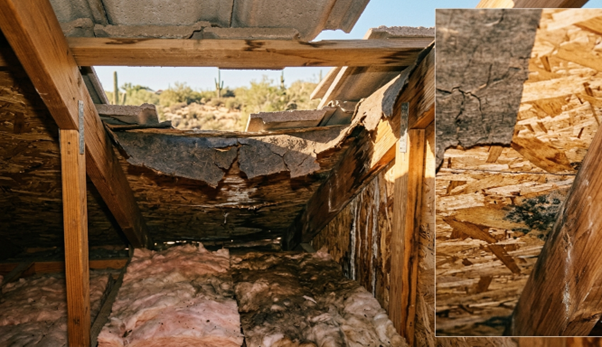
Arizona roofs go through extreme conditions every year, from intense heat to heavy monsoon rains. These weather shifts slowly break down the protective layer beneath roof tiles known as underlayment. When this layer weakens, water starts finding its way into places it should never reach.
Many homeowners only notice a problem when stains appear on ceilings or leaks become frequent. By that time, the roof underlayment failure signs Arizona homes show are often already advanced. Roofing experts like Avid Roofing Solutions frequently find that early detection is the key to avoiding costly repairs and structural damage.
The challenge is that tile roofs can look perfectly fine from the outside while hidden damage develops underneath. That is why understanding early warning signals is so important.
Signs your Arizona roof underlayment is failing
The most common signs that roof underlayment is failing begin subtly. Homeowners may notice faint water stains on ceilings or occasional dripping during heavy rain. These are early indicators of roof leak underlayment damage forming beneath otherwise intact tiles.
Another common warning is a musty smell in the attic. This often suggests trapped moisture that has been building up over time. When the underlayment begins to deteriorate, water no longer gets properly redirected, leading to hidden leaks.
In many cases, the issue is only discovered during a professional inspection, such as a roof inspection in Arizona, where damaged sections are found beneath tile layers that appear completely normal from above.
Cracked or brittle underlayment is another major sign. Once the protective membrane dries out due to heat exposure, it loses flexibility and begins to tear during temperature changes. If ignored, these small issues can quickly expand into larger structural problems affecting decking and insulation layers.
Arizona monsoon roof underlayment failure and moisture damage risks
Arizona’s monsoon season is one of the biggest stress tests for any roof system. Sudden heavy rainfall combined with wind pressure can expose weaknesses in aging materials. This is where Arizona roof underlayment problems become more visible.
Water intrusion during storms often leads to ceiling bubbling, peeling paint, and damp drywall. These are clear signs of roof moisture underlayment damage progressing inside the roofing system.
Tile roofs are especially vulnerable because wind-driven rain can push moisture underneath overlapping tiles. This leads to roof underlayment leaks after rain, even when no exterior damage is visible.
Heat is another silent factor. Constant sun exposure causes heat damage to the roof underlayment in Arizona conditions, making materials dry, brittle, and less effective at sealing out moisture.
After storm events, quick action is essential. Emergency repair services, such as storm damage roof repair, help prevent further water intrusion and structural weakening.
Aging roof materials and tile roof underlayment issues in Arizona
Roof systems do not fail overnight. Instead, they show gradual wear that worsens with each season. These aging roof underlayment signs include cracking, shrinking, and loss of waterproofing ability.
Tile roofs in Arizona often last decades, but the underlayment beneath them has a shorter lifespan. This creates tile roof underlayment issues that Arizona homeowners frequently experience, especially in older homes.
Once the underlayment starts breaking down, moisture begins reaching the roof deck. This can lead to wood rot, mold growth, and insulation damage if not addressed early.
In some cases, full roof restoration becomes necessary. Services such as roof restoration in Arizona help extend roof life without complete replacement, especially when damage is caught early.
Regular maintenance and inspection reduce long-term repair costs and help preserve structural integrity.
Arizona roofing inspection checklist for underlayment issues
A proper Arizona roofing inspection checklist focuses on identifying hidden damage before it spreads. Professionals look for moisture entry points, broken tiles, and weakened membrane layers.
One of the most important early warning roof failure signs is uneven roof performance during rainstorms. If leaks appear in different areas each time it rains, it often points to underlayment breakdown rather than tile damage.
Another key issue is persistent attic humidity. This can indicate trapped moisture caused by failing waterproof layers.
Older roofs also experience aging tile roof warning signs, such as shifting tiles and surface instability, which often correlate with deeper structural issues below.
Timely inspection helps avoid emergency repairs and ensures problems are caught before they become severe.
Why does roof underlayment fail in Arizona homes?
Arizona’s climate is one of the toughest environments for roofing systems. Constant UV exposure, high daytime temperatures, and sudden monsoon rains all contribute to faster deterioration.
One major cause is thermal cycling. Roof materials expand during the day and contract at night, slowly weakening bonding layers over time. Another factor is aging. As underlayment materials reach the end of their lifespan, they lose elasticity and begin to crack under pressure.
Poor ventilation also accelerates deterioration. When heat becomes trapped beneath roofing layers, it speeds up breakdown and reduces waterproofing efficiency. Homes without regular maintenance often experience more severe issues, as small problems are allowed to develop into major leaks.
When roof underlayment problems require immediate action
Once the roof underlayment leaks after rain becomes noticeable inside the home, damage is already active. At this stage, quick intervention is essential to prevent structural deterioration.
Delaying repairs can lead to insulation damage, mold growth, and weakening of roof decking materials. These issues significantly increase repair costs.
For homes with aging systems, proactive maintenance is often the best solution. Residential-focused services such as
Residential roofing helps homeowners maintain roof health before major failures occur.
In some cases, full system evaluation and upgrade planning may be required, depending on roof age and condition.
Frequently Asked Questions
What are the first signs of roof underlayment failure?
Early signs include ceiling stains, musty odors, and leaks that appear after heavy rain.
How do I know if my Arizona roof underlayment is failing?
Look for moisture intrusion, cracked tiles, or recurring leaks in different areas of your home.
Can roof underlayment fail while tiles still look fine?
Yes, tile roofs often hide damage beneath the surface while exterior tiles remain intact.
What causes underlayment to deteriorate in Arizona?
Extreme heat, UV exposure, monsoon rains, and aging materials are the main causes.
How often should roof inspections be done?
At least once a year, especially before and after monsoon season.
Can roof underlayment be repaired without full replacement?
Minor damage may be repaired, but widespread deterioration often requires restoration or replacement.
Conclusion
Roof underlayment plays a critical role in protecting Arizona homes from extreme weather conditions. When it begins to fail, damage often develops quietly beneath the surface until visible leaks appear inside the home.
Understanding roof underlayment failure signs Arizona homeowners face helps prevent costly repairs and structural damage. From heat-related deterioration to monsoon-driven leaks, early detection is key.
Regular inspections, timely repairs, and proper maintenance ensure long-term roof performance. If any warning signs are present, scheduling a professional evaluation is the safest step forward. Taking action early can protect your home, reduce repair costs, and extend the life of your roofing system.